Upon renovating their house, the homeowners discovered that the old on-site septic bed failed inspection. They had a grinder pump installed and needed it connected to the manhole 400 feet down the street.
No Perc: Switching from Septic to Sewer
DVUC • August 30, 2023
When purchasing a home, one of the crucial questions people ask is if it uses a septic tank or public sewer. It's an important question since not everyone is comfortable dealing with the upkeep of a septic tank. Aside from the cost of having the tank pumped every three to five years, there is the concern of a failure turning the lawn into a foul-smelling puddle. Many homeowners prefer a sewer system since the city (or municipality) is responsible for making any repairs and resolving issues concerning the connections to the road. However, the switch from septic to sewer may be unavoidable if the septic field is old and no longer passes the perc (or percolation) test. This was the case with a recent DVUC project.

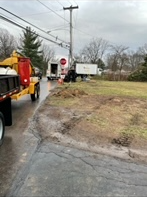
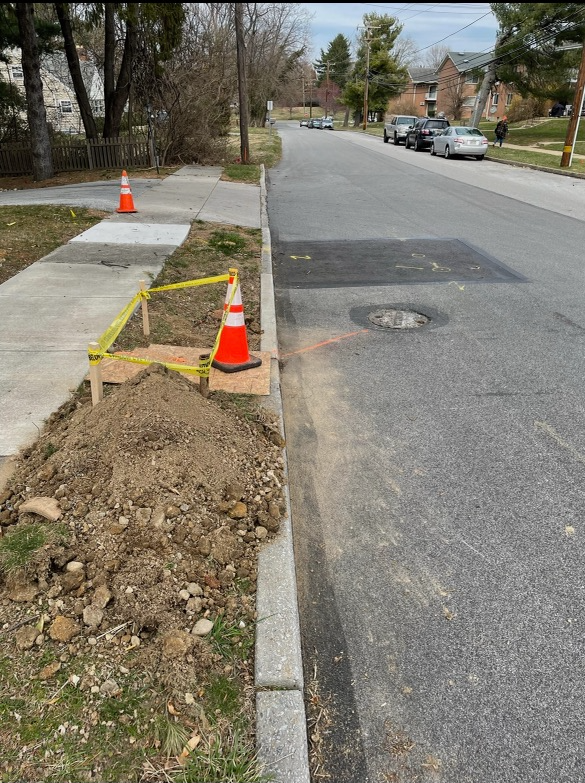
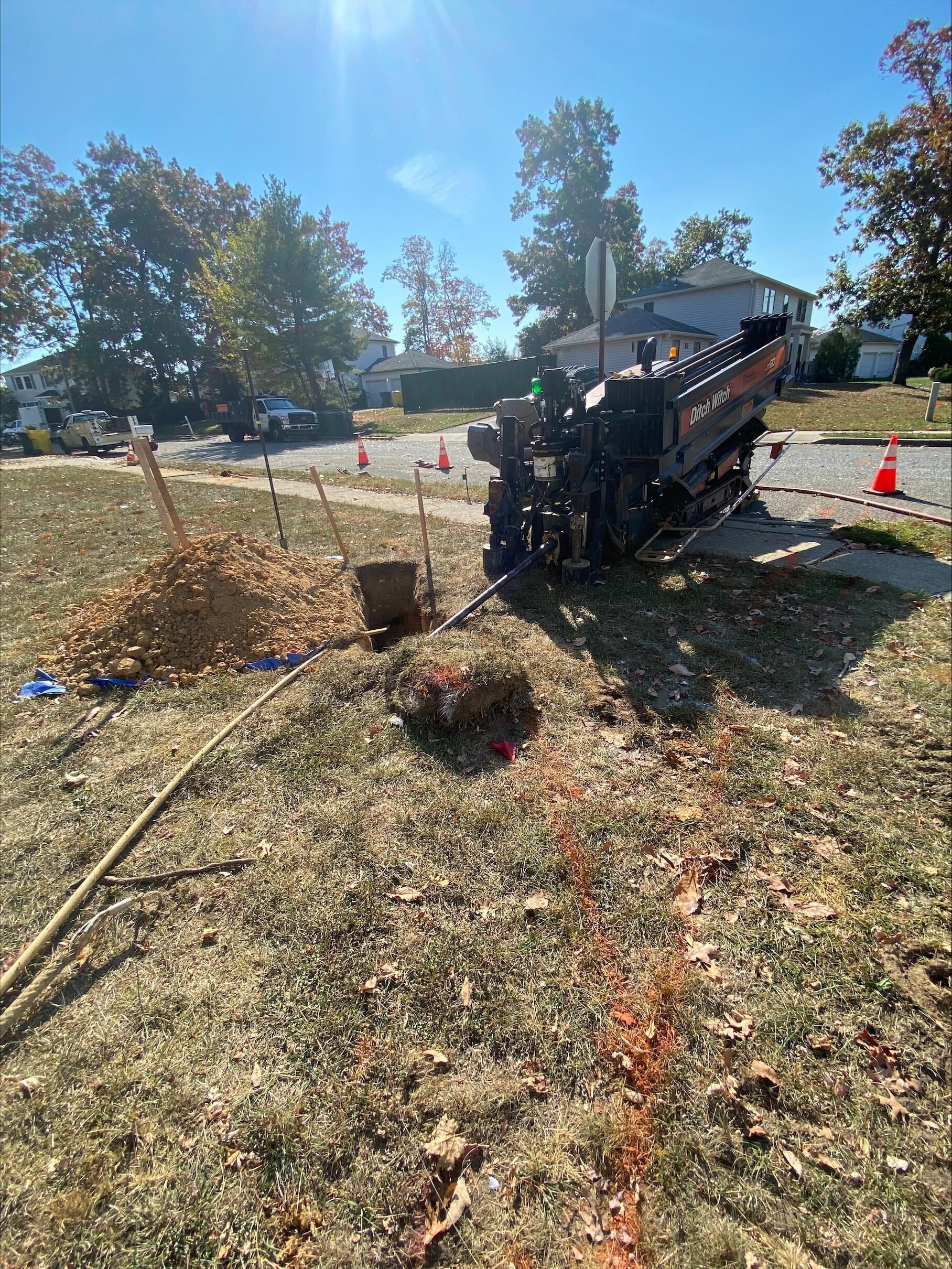
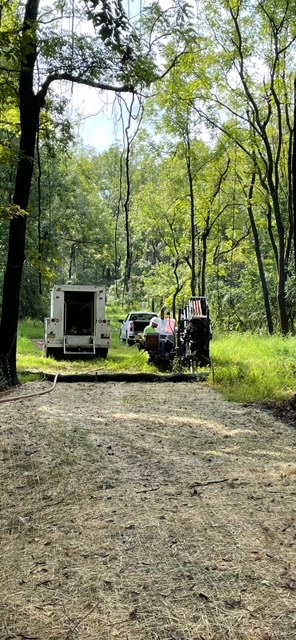
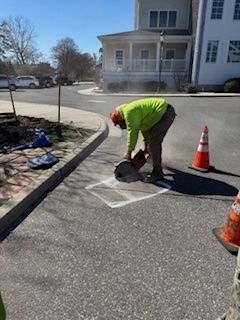
The project is underway with our crew setting up to bore a 400 foot 2-inch force main sewer line.
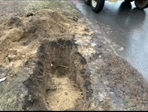
Next, we located the existing utilities, which is a vital part of the horizontal directional drilling process.
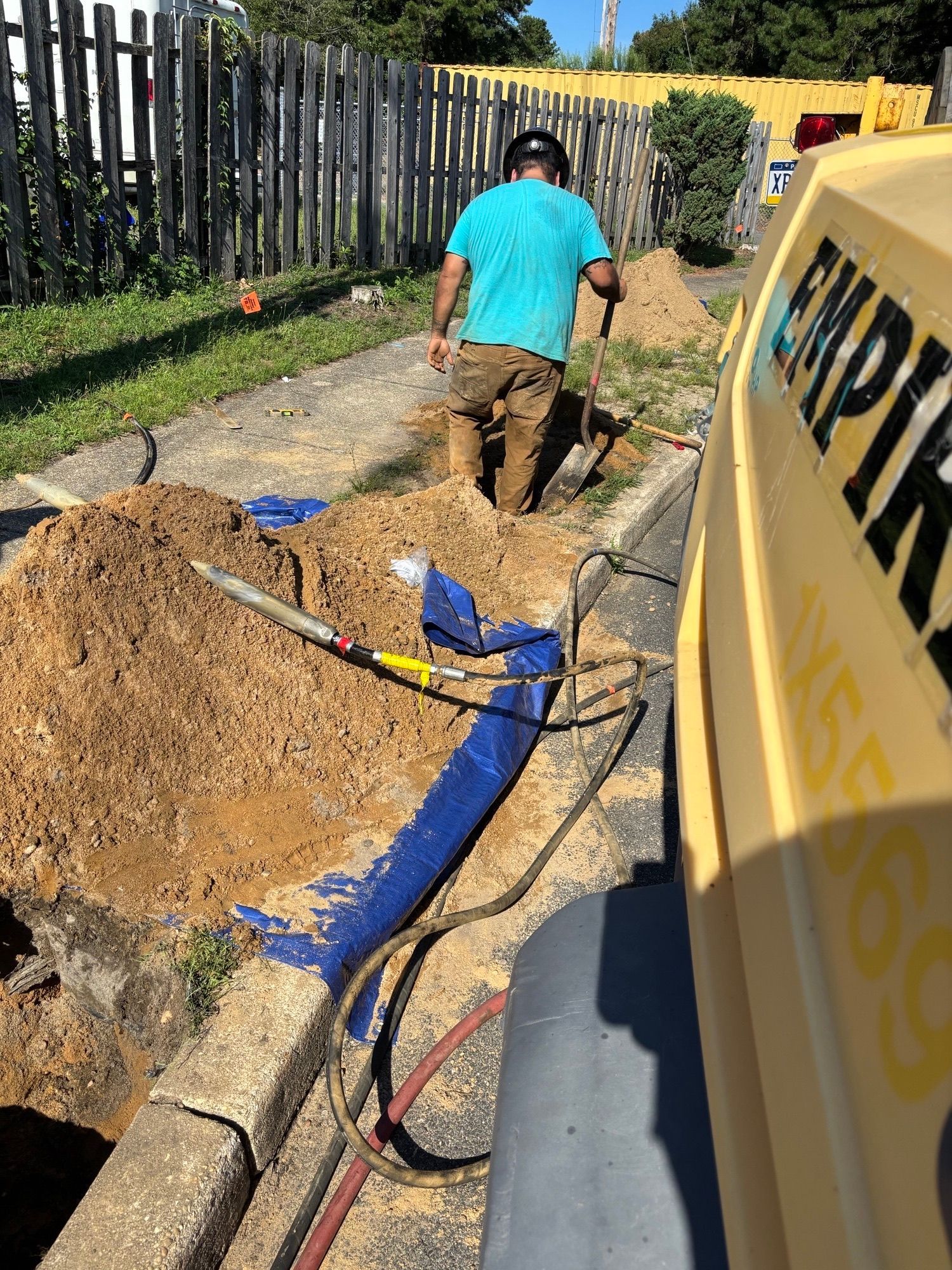
The force main discharges into the existing manhole. The 2-inch HDPE line is pulled back to the machine and the job is completed. Next, a plumber will hook up the 2-inch HDPE pipe to the grinder pump.
While the customer's on-site septic tank had been a viable solution for the home for many years, the septic field could no longer pass the perc test. Thus, the switch from a septic tank to a sewer system was made.
Whether it's a new construction or a renovation, horizontal directional drilling can get your force main sewer connected quickly and efficiently. At DVUC, we have the equipment and an experienced crew to get the job done on time and on budget. Contact us today to learn what our horizontal directional drilling service can do for your project!

Empire Group’s 31st Annual Golf Classic brought customers, colleagues, and friends together for a memorable day of golf and friendly competition on October 3rd at the historic Galen Hall Golf Club in Wernersville, PA. We truly appreciate all the players who participated in our highly anticipated event. Despite a chilly start, 92 golfers arrived ready to hit the course for an 8 a.m. shotgun start. The crisp fall weather set the stage for a fantastic day of great shots and friendly rivalries. After the final putt dropped, players gathered for a large buffet lunch followed by the tournament’s award ceremony and raffle. It was fun to see the winners select their prizes! At Empire Group, we value the relationships we’ve built with our customers and partners over the years. Events like the Annual Golf Classic are a wonderful opportunity to step away from the day-to-day, reconnect with familiar faces, and strengthen partnerships.
As National Preparedness Month comes to a close, utility contractors can still take a fresh look at how crews prepare for emergencies. On a utility repair jobsite, conditions can change quickly. Severe weather, trench incidents, equipment failures, utility strikes, fires, hazardous material releases, and medical emergencies can turn a routine repair into a high-risk situation in seconds. For Delaware Valley Utility Contractors (DVUC), preparedness is about more than having an emergency contact list. It means giving every crew member the knowledge, communication tools, equipment, and clear procedures needed to respond safely when the unexpected happens. Why Emergency Preparedness Matters on Utility Job Sites Utility construction and repair sites are constantly changing. Excavations may shift, equipment may move throughout the site, traffic patterns can change, and crews may work around underground and overhead utilities. Understanding these changing conditions and the potential hazards they create is essential to maintaining a safe jobsite. Build an Emergency Action Plan Before Work Begins An effective emergency action plan should answer several basic questions: What could go wrong? Who is responsible for what? How will the crew be alerted? Where will everyone go? How will workers be accounted for? Who will contact emergency responders? When is it safe to return to the site? At DVUC, this planning mindset is critical because utility work can involve trenching, sewer and gas line installation and repair, vacuum excavation, directional drilling, pipe fusion, and other specialized operations. Identify the Most Likely Jobsite Emergencies Preparedness starts with understanding the hazards specific to each project. Depending on the work and location, crews may need procedures for: Severe thunderstorms , flooding, high winds, hurricanes, or extreme heat Trench or excavation emergencies Underground utility strikes Gas releases or suspected leaks Equipment fires or mechanical failures Traffic incidents around the work zone Serious injuries or medical emergencies Hazardous material exposure Power outages or loss of site communications The goal isn’t to predict every possible emergency. It’s to make sure the crew knows how to respond to the situations most relevant to the worksite. Make Communication Part of the Plan A plan only works if workers can receive and understand emergency instructions. Before work begins, crews should know: Who has the authority to stop work or order an evacuation How an emergency will be announced Where the primary and secondary assembly areas are located How emergency services will be contacted How workers will be accounted for How changes to the plan will be communicated Clear communication enables crews to respond quickly and effectively when conditions change. Keep Emergency Access Clear During an emergency, seconds matter. Equipment, materials, vehicles, and debris should never block designated evacuation paths or prevent emergency responders from reaching the site. When working along roads, in developed areas, or around active infrastructure, maintaining clear access to the jobsite allows emergency responders to reach the site quickly and provide help when needed. Don’t Forget Weather Preparedness Weather conditions can quickly affect a utility jobsite. Heavy rain can impact excavations and access roads, while high winds, lightning, flooding, and extreme temperatures can create additional hazards. For crews working throughout Pennsylvania and New Jersey, monitoring changing weather conditions should be part of daily jobsite planning—not an afterthought. Train, Practice, and Update An emergency plan should never be filed away and forgotten. Workers should understand the parts of the emergency plan that apply to their responsibilities and know what to do when an emergency occurs. A short toolbox talk can be an effective opportunity to review: Emergency contacts Evacuation routes Assembly locations Communication methods First-aid resources Weather procedures Site-specific hazards Stop-work expectations The more familiar these procedures become, the easier it is for crews to respond calmly and efficiently when an emergency occurs. Preparedness Protects People and Keeps Projects Moving Emergency preparedness is ultimately about people. A well-prepared crew is better positioned to recognize hazards, communicate quickly, account for workers, and coordinate with emergency responders. At Delaware Valley Utility Contractors, “safety first” is not just a saying; it’s our standard. It’s an essential part of delivering quality utility installation, repair, and emergency response services throughout the region. This National Preparedness Month, take a few minutes to ask a simple question before the next job begins: If an emergency happened here right now, would every crew member know what to do? If the answer isn’t a confident yes, it’s time to review the plan. Preparedness isn’t just about responding to emergencies. It’s about being ready before they happen.
When people think about utility construction or repair, they usually picture the visible work: excavators moving dirt, crews installing pipe, equipment working around the clock, and roads eventually being put back together. But some of the hardest parts of utility work are the things most people never see. It is the planning before the first bucket hits the ground. It is dealing with existing utilities that may not be exactly where the plans show them. It is coordinating crews, traffic, inspections, weather, property owners, municipalities, and schedules — often at the same time. At Delaware Valley Utility Contractors, the job is about more than digging a trench and installing infrastructure. Successful utility work depends on preparation, communication, experience, and the ability to solve problems as conditions change. Here are some of the challenges that rarely get talked about. The Ground Does Not Always Match the Plans Construction plans are essential, but the field can tell a different story. Underground infrastructure has often been installed, repaired, replaced, or modified over many years. Records may not capture every change, and field conditions can differ from what was expected. That means crews have to stay alert. A water line, sewer connection, gas line, electrical conduit, or telecommunications facility can change the way a project needs to be approached. Locating utilities, carefully exposing existing infrastructure, and quickly communicating unexpected conditions are all critical parts of the work. Good utility construction requires respect for what is underground — especially when you cannot see the full picture from the surface. Coordination Is a Full-Time Job Utility projects rarely involve just one crew doing one task. There may be excavation crews, pipe crews, equipment operators, inspectors, engineers, municipalities, subcontractors, utility owners, traffic-control teams, and property owners involved in the same project. One delay can affect everyone. A delivery that arrives late can affect production. A required inspection can affect the schedule. An unexpected utility conflict can change the day's work. Weather can turn a straightforward excavation into a much more difficult operation. The people managing and coordinating the work must keep all these moving pieces connected. That coordination may not be visible when the road is opened to traffic, but it is a major part of completing the project. Safety Has to Come First Utility construction is demanding work. Excavation, heavy equipment, underground utilities, traffic, confined spaces, and changing site conditions create hazards that crews must manage carefully. The pressure to keep a project moving never eliminates the need to work safely. That means following appropriate excavation and trenching practices, maintaining awareness of surrounding utilities and equipment, using proper protective measures, and communicating clearly with the crew. The safest project is not necessarily the one completed in a single day. It is the one where everyone gets home safely, and the work keeps moving because the crew has established good habits from the beginning. Weather Can Change Everything Rain, freezing temperatures , snow, heat, and saturated ground can have a major impact on utility construction. Heavy rain can affect excavation conditions. Frozen ground can make digging more difficult. Extreme heat can put additional strain on workers and equipment. Wet conditions can affect access, material handling, restoration, and overall productivity. Contractors must be prepared for changing conditions throughout the year, which requires flexibility. A good crew knows that the schedule may need to change when the conditions change. The goal is not simply to push through every condition. It is to make sound decisions that protect workers, infrastructure, equipment, and the quality of the finished project. Restoration Is More Important Than People Realize Installing the utility is only part of the job. Once the underground work is complete, the disturbed area must be addressed properly. Depending on the project, that can involve backfilling, compaction, paving, concrete, landscaping, or other forms of restoration. The quality of that work matters. A utility project should not simply leave behind evidence that construction took place. Proper restoration helps return the area to an appropriate condition and can be an important part of the project's overall success. Problem-Solving Is Part of the Trade No matter how carefully a project is planned, unexpected conditions can happen. For example, the soil is different from what was anticipated. Or an existing utility is in an unexpected location. That is where experience matters. Utility construction is not a job where every situation can be solved by following a checklist. Crews need to recognize problems, communicate them, evaluate options, and make decisions that keep the project moving without sacrificing safety or quality. That problem-solving ability is one of the less visible skills behind successful utility work. The Work Nobody Sees Is Often the Work That Matters Most When a utility project is completed, most people see the finished road, sidewalk, development, or property. They do not see the: planning meetings utility coordination careful excavation around existing infrastructure. conversations between crews, inspectors, engineers, municipalities, and property owners. decisions made when field conditions change. work that went into making the final installation look routine. But that is the reality of professional utility construction. The hardest part is often not the physical work itself. It is managing everything that surrounds the physical work — safely, efficiently, and with enough flexibility to handle the unexpected. For Delaware Valley Utility Contractors, that is an important part of what utility construction means: doing the work underground while thinking about everything happening above it. Because when utility work is done right, the finished project is functional, clean, and safe.
Community lighting does more than brighten streets, sidewalks, and public spaces—it plays an important role in visibility, security, and everyday safety. When an underground or overhead electrical issue affects a lighting system, prompt and professional utility work can help restore reliable service and keep the community moving. Recently, Delaware Valley Utility Contractors (DVUC) completed an important utility repair project in Brick, New Jersey, replacing a failed section of primary electrical wire running from a power pole to a transformer. Replacing Failed Primary Wire in Brick, New Jersey The project involved a failed wire that was impacting the electrical system serving community lighting. To address the issue, the DVUC team installed 1,943 feet of 15kV 1/0 primary wire. Replacing primary electrical infrastructure requires careful planning, experienced crews, and attention to safety. From preparing the work area to installing the new wire, every step must be completed with precision to help ensure the system is restored properly and reliably. This work represents more than simply replacing a damaged wire. Reliable electrical infrastructure provides the lighting and utility systems communities depend on every day. The Importance of Reliable Community Lighting Well-maintained lighting can improve visibility for pedestrians, drivers, and residents, especially at night. Street and community lighting can also contribute to a greater sense of safety in neighborhoods, public areas, roadways, and other shared spaces. When electrical infrastructure fails, addressing the underlying problem is essential. A professional utility contractor can identify the source of the issue and complete the necessary repairs or replacements to restore the system. That is where experienced utility crews make a difference. Experience That Keeps Utility Projects Moving At Delaware Valley Utility Contractors, our teams have the experience and equipment needed to tackle demanding electrical utility projects. From primary wire installation and utility infrastructure repairs to larger-scale underground and overhead utility work, we understand the importance of completing each project safely, efficiently, and accurately. Our recent primary wire replacement project is another example of how DVUC helps communities maintain dependable infrastructure. With nearly 2,000 feet of new 15kV 1/0 primary wire installed, our team helped address a failed electrical connection and support the continued reliability of the local lighting system. Supporting Safer, More Reliable Communities Utility infrastructure is easy to overlook—until something stops working. Reliable electrical systems help communities function safely and efficiently, and maintaining that infrastructure requires skilled professionals who understand the challenges of utility construction and repair. Whether a project involves replacing failed primary wire, upgrading electrical infrastructure, or installing new utility systems, Delaware Valley Utility Contractors brings hands-on experience and a commitment to quality to every job . From utility repairs to new infrastructure, DVUC is ready to put experience to work for your next project. Contact us today to learn more!
As summer winds down and students prepare to return to classrooms, schools and universities are busy getting their campuses ready for another academic year. While fresh paint, landscaping and classroom preparations may be visible, critical utility infrastructure works behind the scenes to keep campuses operating safely and efficiently. From water main upgrades to sanitary force main installations, Delaware Valley Utility Contractors (DVUC) provides the specialized utility services schools and universities need to prepare their infrastructure for today—and the future. Upgrading Utilities for Growing Campuses Campus utility systems need to keep pace with changing demands. New buildings, additional bathrooms, irrigation systems, and growing student populations can place increased demands on existing water and wastewater infrastructure. DVUC has completed utility projects at Solebury School in Bucks County, PA, and Delaware Valley University in Doylestown, PA. These projects demonstrate how specialized construction methods can improve campus utility systems while minimizing disruption to students, staff, and daily operations. Sanitary Force Main Installation at Solebury School A sanitary force main plays an important role in transporting wastewater from a campus to a wastewater treatment facility. Unlike gravity sewer systems, a force main uses a pump station to move wastewater through pressurized piping when elevation or site conditions prevent gravity flow. When a school expands or wastewater demands increase, the existing system may need to be upgraded to accommodate additional capacity.
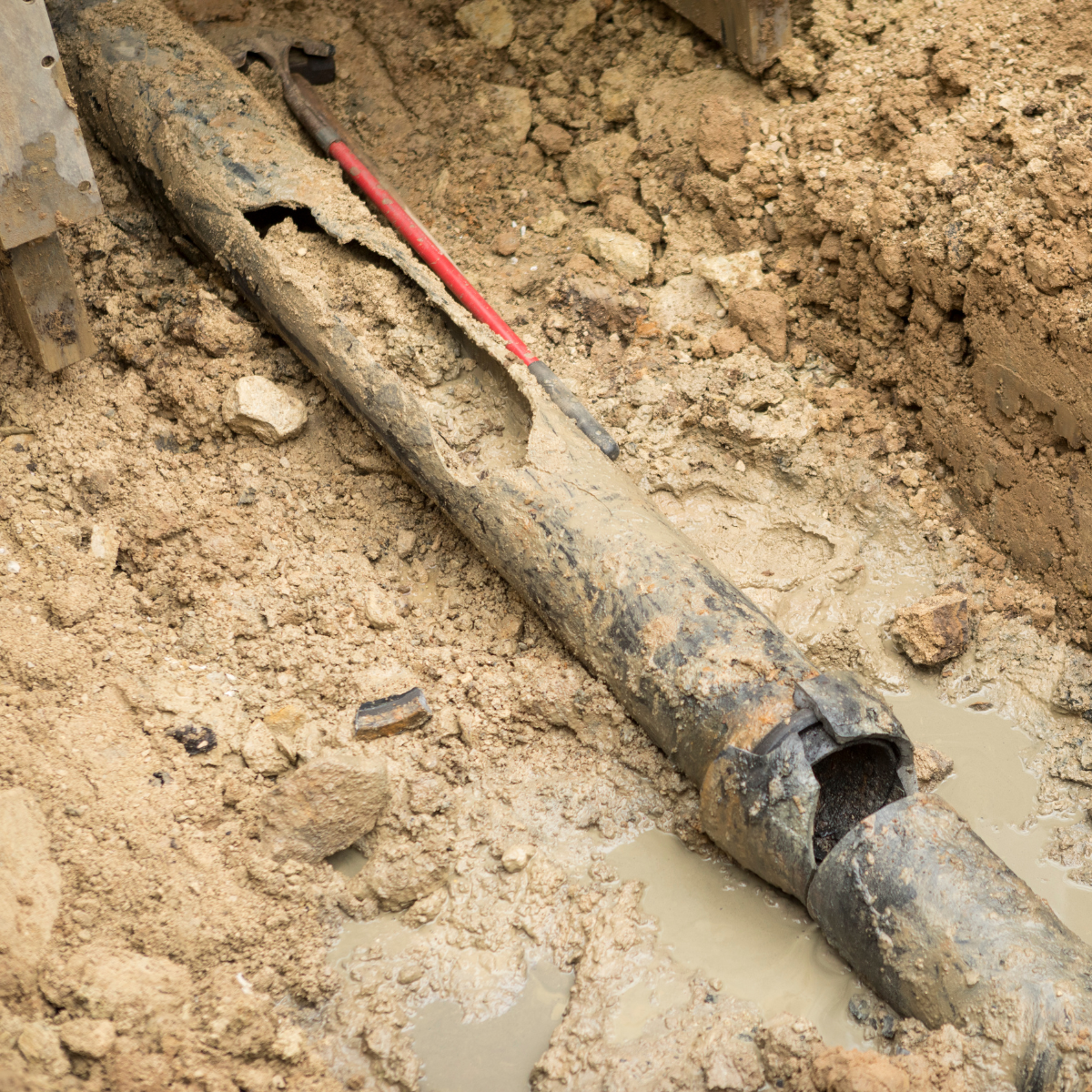
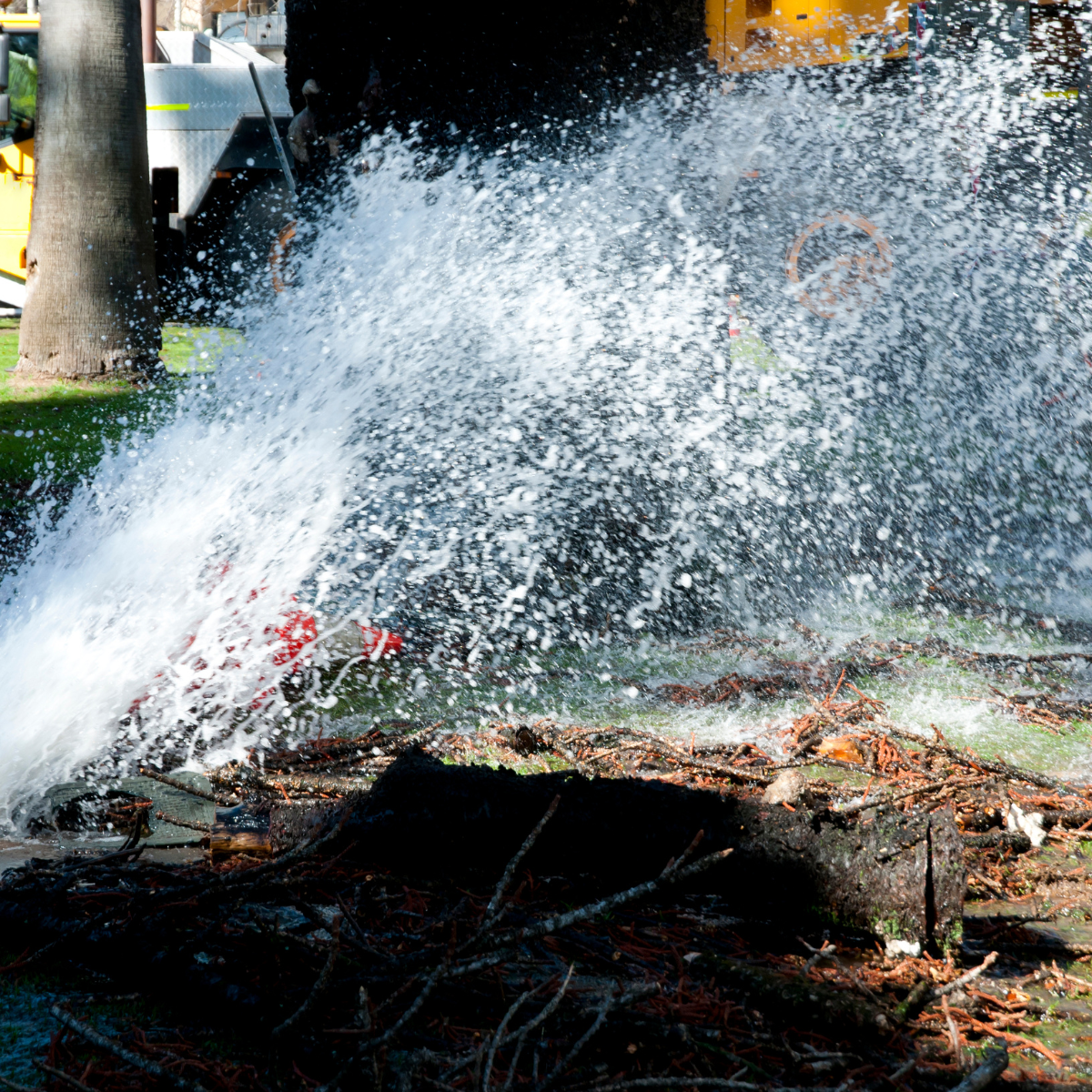
Every time you turn on the faucet, flip a light switch, or connect to the internet, you're relying on an extensive network of underground utilities. While these systems are largely hidden from view, they are among the most important pieces of infrastructure supporting everyday life. Unfortunately, much of the underground utility infrastructure throughout the United States is decades old. Water mains, sewer systems, gas lines, electrical conduits, and communication networks installed generations ago are experiencing increasing wear and tear. As these systems continue to age, utility contractors are seeing a growing demand for repairs, emergency response, and infrastructure upgrades. Understanding why underground infrastructure is failing can help municipalities, developers, businesses, and property owners make informed decisions that improve reliability and reduce long-term costs. The Hidden Challenge Beneath Our Communities Unlike roads and bridges, underground utilities are rarely visible until something goes wrong. Because they remain out of sight, aging pipelines and utility lines can deteriorate for years before signs of failure appear. Many underground utility systems installed during the mid-20th century were designed to last between 50 and 100 years, depending on the materials used and environmental conditions. Today, many of these systems are reaching (or have already exceeded) their expected service life. Common underground utilities affected by aging include: Water mains Sanitary sewer lines Stormwater systems Natural gas pipelines Electrical distribution systems Fiber optic and telecommunications infrastructure As these assets continue to age, the likelihood of unexpected failures increases significantly. Why Aging Infrastructure Fails Several factors contribute to the deterioration of underground utility systems over time. Corrosion Metal pipes naturally corrode after decades underground. Soil chemistry, groundwater conditions, and stray electrical currents can accelerate this process, weakening pipe walls until leaks or complete failures occur. Ground Movement Seasonal freeze-thaw cycles, soil settlement, heavy traffic, nearby construction, and changing groundwater levels place constant stress on buried infrastructure. Over time, these forces can crack pipes, loosen joints, and damage utility connections. Increased Demand Many utility systems were designed for communities that were much smaller than they are today. Population growth and commercial development place greater demands on aging infrastructure that was never intended to support today's usage levels. Outdated Materials Older utility systems often include materials that no longer meet modern performance standards. Cast iron, clay, galvanized steel, and aging concrete pipes are more susceptible to cracking, corrosion, and root intrusion than modern materials. The Growing Need for Utility Repairs As underground infrastructure ages, utility contractors are responding to an increasing number of repair projects, including: Water Main Breaks Water main failures can interrupt service to entire neighborhoods, causing road closures, flooding, and costly emergency repairs. Prompt repairs minimize water loss and restore service as quickly as possible. Sewer Line Failures Broken sewer pipes can cause backups, sinkholes, environmental contamination, and public health concerns. Routine inspections and timely repairs help prevent more extensive damage. Gas Line Repairs Natural gas infrastructure requires immediate attention whenever leaks or damage are detected. Utility contractors follow strict safety procedures to isolate damaged sections and restore service safely. Electrical Utility Repairs Damaged underground electrical systems can disrupt power to homes, businesses, hospitals, and other critical facilities. Rapid repairs help reduce downtime and improve system reliability. Telecommunications Repairs As communities become increasingly dependent on high-speed internet, repairing damaged fiber optic and communication lines has become more important than ever. Technology Is Improving Utility Repairs Today's utility contractors use advanced technology to make repairs safer, faster, and more accurate. Modern tools include: Ground Penetrating Radar (GPR) GPR helps locate underground utilities before excavation begins, reducing the risk of accidental utility strikes. GPS and GIS Mapping Digital mapping improves utility locating, project planning, and long-term asset management. Vacuum Excavation Vacuum excavation safely exposes buried utilities with minimal soil disturbance, reducing the risk of damaging existing infrastructure. Horizontal Directional Drilling (HDD) When installing replacement utilities beneath roads, waterways, or landscaped areas, HDD minimizes surface disruption while protecting existing infrastructure. CCTV Inspection Systems Remote camera inspections allow crews to evaluate underground pipelines without extensive excavation, helping identify cracks, blockages, and structural defects. Final Thoughts Aging underground infrastructure is one of the most significant challenges facing communities today. As utility systems continue to reach the end of their service lives, repairs will become increasingly common. Fortunately, modern technology can help reduce failures, improve reliability, and keep essential services operating safely. Investing in timely utility repairs today helps prevent larger, more expensive problems tomorrow while keeping water, power, communications, and other essential services flowing efficiently. At Delaware Valley Utility Contractors, our experienced team has the expertise and equipment to complete underground utility repairs safely, efficiently, and with minimal disruption. Whether you're responding to an emergency or planning infrastructure improvements, we're ready to help. Contact us today to learn how we can support your next utility project.
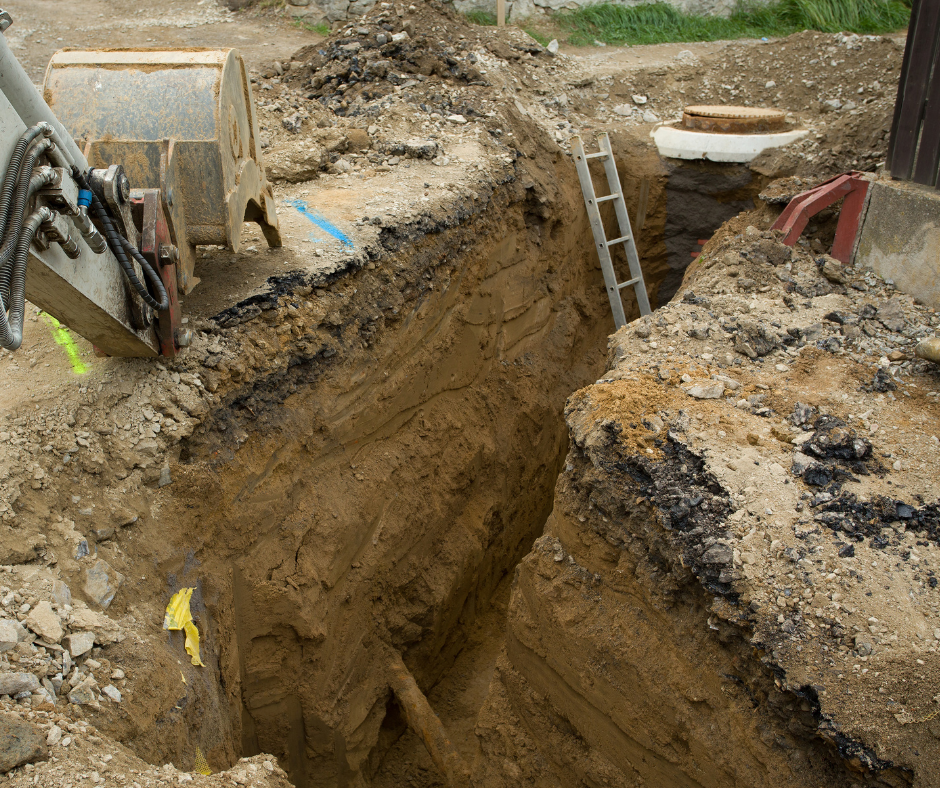
Every June, the construction and utility industries come together to recognize National Trench Safety Month, an awareness campaign founded by the National Utility Contractors Association (NUCA). The initiative highlights one of the most serious hazards on any jobsite—trenching and excavation work—and reinforces the importance of protecting the workers who perform these essential tasks every day. At Delaware Valley Utility Contractors (DVUC), safety is more than a requirement; it's a core value that guides every project we complete throughout Pennsylvania and New Jersey. National Trench Safety Month serves as an important reminder that every trench must be approached with proper planning, protective systems, and a commitment to ensuring every employee returns home safely.
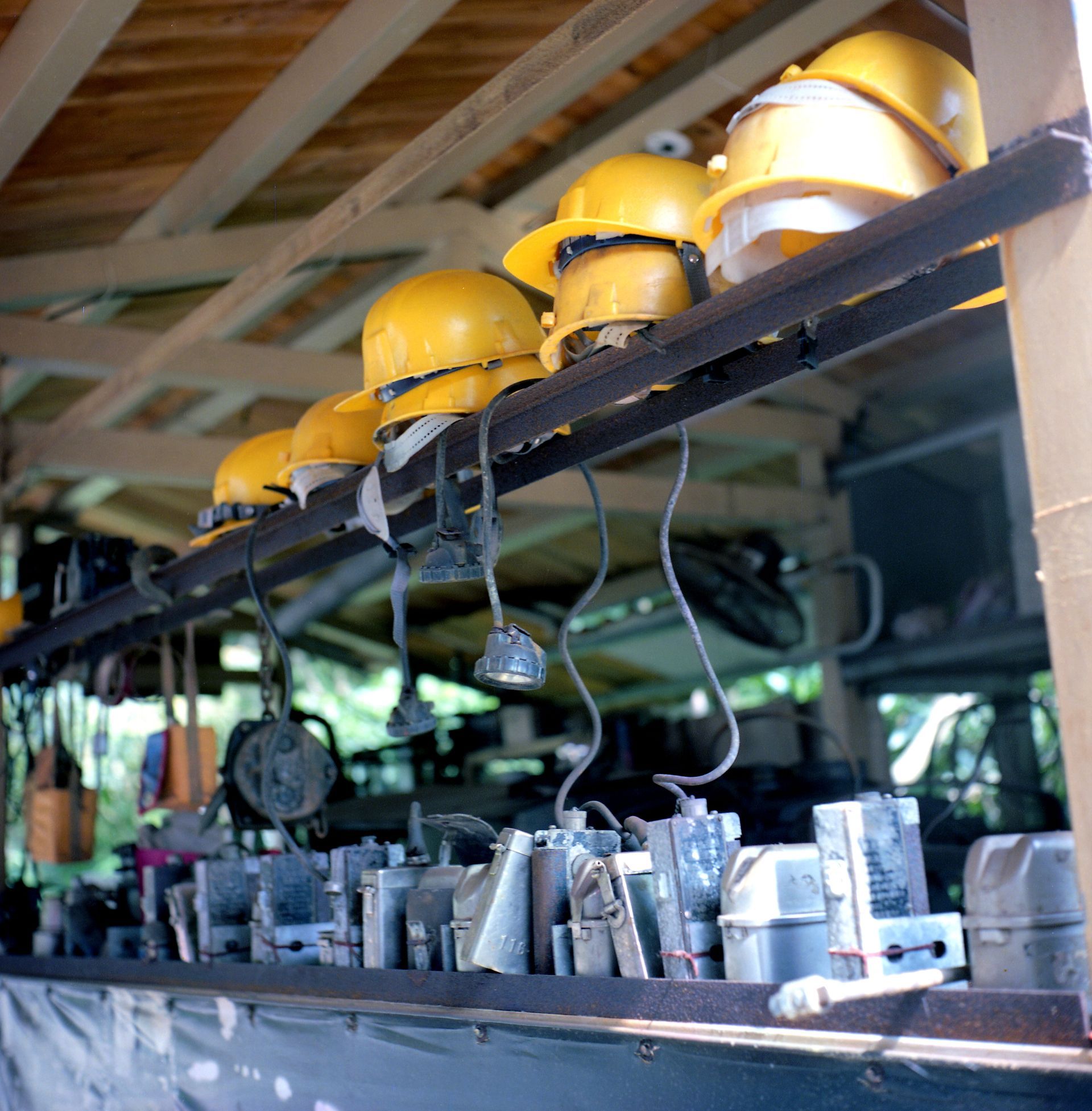
In today's fast-paced construction and utility industries, workplace safety remains one of the most important responsibilities any organization can embrace. While advancements in equipment, training, and regulations have significantly improved jobsite safety over the years, preventable incidents still occur every day. According to the U.S. Bureau of Labor Statistics, there were 5,070 workplace fatalities in 2024. Although that number represents a 4% decrease from the previous year, every injury and fatality is one too many. Non-fatal workplace injuries and illnesses also declined by 3.1% to 2.5 million cases, demonstrating progress while highlighting the ongoing need for vigilance and continuous improvement. National Safety Month serves as an important reminder that safety is not a one-time initiative—it's a commitment that requires participation from every employee, supervisor, and organization. Happy 30th Anniversary Established by the National Safety Council (NSC) in 1996, National Safety Month celebrates 30 years of providing safety guidance to keep people safe. The aim of this month is to raise awareness about preventable injuries and fatalities in the workplace, on roadways, and in communities across the country. Observed each June, National Safety Month coincides with a period when many industries experience increased outdoor work activity, higher temperatures, and elevated risks associated with construction and roadway projects. The initiative encourages organizations to strengthen their safety culture through education, training, and proactive risk management. National Safety Month 2026 Focus Areas Each year, the National Safety Council highlights specific topics to help organizations focus their safety efforts. The 2026 themes include: Week 1: Moving Safety Forward Safety programs should never remain static. New strategies and tools are necessary to create an engaging safety culture. Week 2: Staying Safe on the Roads A strong safety culture depends on employee participation, and that extends to the roadways. Reduce vehicle accidents with practical guidance for workers, fleets, and pedestrians. Week 3: Promoting Holistic Worker Health Mental health, fatigue management, stress reduction, and hydration contribute to safer, more productive workplaces. When employees are healthy and supported, they are better equipped to perform their jobs safely and effectively. Week 4: Preventing Slips, Trips, and Falls They are not only common in the workplace but also occur in the home. Reduce these injuries with preventative resources to educate and empower. Delaware Valley Utility Contractors' Commitment to Safety At Delaware Valley Utility Contractors (DVUC), safety is more than a requirement—it's a core value that guides every project we undertake throughout Pennsylvania and New Jersey. Our teams work in environments that demand precision, awareness, and strict adherence to safety protocols. Whether performing utility construction, excavation, site work, or infrastructure-related services, we prioritize the well-being of our employees, customers, and communities. Our safety-focused approach includes: Personal protective equipment (PPE) for team members Ongoing equipment and operational training Comprehensive jobsite safety procedures Regulatory compliance and industry best practices Safety issue identification and risk mitigation strategies Continuous evaluation and improvement of safety processes By maintaining a proactive approach to safety, we help reduce risks while delivering high-quality results for our clients. Investing in Safety Through Training and Education One of the most effective ways to prevent workplace incidents is through comprehensive safety training. Through Empire Group affiliate Elk Environmental Services , DVUC has access to more than 40 health and safety training courses taught by experienced OSHA-authorized outreach trainers. Training programs can be customized to fit specific operational needs, including flexible scheduling options and on-site instruction. Creating a Culture of Safety Safety is not the responsibility of one department or one individual—it is a shared commitment that requires participation at every level of an organization. National Safety Month provides an opportunity to evaluate current practices, reinforce training efforts, and renew a commitment to protecting employees on and off the job site. For utility contractors, construction professionals, and businesses across Pennsylvania and New Jersey, investing in safety means investing in people. When organizations prioritize safety, they create stronger teams, improve productivity, reduce risks, and build lasting success. As we recognize National Safety Month, DVUC encourages all businesses to make safety a daily priority and continue working toward safer job sites, safer roadways, and safer communities.
Every May, National Electrical Safety Month serves as an important reminder of the dangers of electrical work and the critical importance of safety awareness across all industries. For utility repair workers, electrical safety is not just a seasonal topic—it is part of daily life on every project site, during every emergency response call, and in every infrastructure repair operation. At Delaware Valley Utility Contractors , safety remains a top priority for our crews working to maintain and restore essential utility systems throughout Pennsylvania and New Jersey. From underground utility repairs to emergency storm restoration, utility professionals face challenging conditions that demand constant awareness, advanced training, and strict adherence to electrical safety procedures. As National Electrical Safety Month highlights the importance of prevention and education, it also shines a spotlight on the skilled utility workers who help keep communities powered, connected, and safe year-round. Why Electrical Safety Month Matters National Electrical Safety Month was created to raise awareness about electrical hazards and promote safe practices both at home and in the workplace. For the utility construction and repair industry, the message is especially important. Utility workers routinely operate around: Energized electrical systems Underground utility lines Overhead power lines Damaged infrastructure Wet and hazardous environments Heavy equipment operating near electrical sources Even experienced crews face significant risks if safety procedures are not followed carefully. Electrical accidents can result in serious injuries, equipment damage, service interruptions, and even fatalities. National Electrical Safety Month encourages companies, workers, and communities to stay proactive to prevent these incidents. The Unique Risks Utility Repair Workers Face Utility repair work is one of the most demanding sectors within the construction and infrastructure industry. Crews often work under pressure to restore critical services quickly while navigating unpredictable and potentially dangerous job site conditions. Underground Utility Strikes Underground electrical lines pose a major safety challenge. During excavation projects, striking buried utilities can lead to electrocution, outages, fires, and costly project delays. Safe excavation practices include: Contacting utility locating services before digging Reviewing site utility maps Using safe digging methods near marked lines Conducting thorough pre-job hazard assessments Storm Damage and Emergency Repairs Severe weather events often create dangerous electrical conditions for utility repair workers. Downed power lines, flooding, damaged transformers, and unstable infrastructure increase the likelihood of electrical incidents during emergency response efforts. Utility contractors responding to storm damage must prioritize: Secure work zones Continuous hazard monitoring Proper PPE usage Coordination with local utility providers Worker fatigue management during long shifts Essential Electrical Safety Practices for Utility Crews National Electrical Safety Month is the perfect opportunity to reinforce best practices that help keep utility repair workers safe throughout the year. Personal Protective Equipment (PPE) Proper PPE is essential for reducing exposure to electrical hazards. Depending on the job, utility workers may wear: Arc-rated clothing Rubber insulating gloves Electrical-rated hard hats Safety glasses and face shields Dielectric boots Hearing protection All PPE should be inspected regularly and replaced when damaged or worn. Lockout/Tagout Procedures Lockout/tagout (LOTO) procedures help prevent accidental energization during maintenance or repairs. Before beginning work, crews must verify that systems are fully de-energized and properly isolated. An effective lockout/tagout program includes: Employee training Clearly labeled disconnects Verification testing Consistent company-wide safety procedures Ongoing Safety Training Electrical systems and utility infrastructure continue to evolve, making ongoing education critical for worker safety. Leading utility contractors invest in continuous safety training programs covering: OSHA electrical safety standards Arc flash awareness Emergency response protocols Hazard communication Equipment operation and inspection CPR and first aid certification Regular training helps crews remain prepared for changing job site conditions and emerging safety challenges. Partner with Delaware Valley Utility Contractors At Delaware Valley Utility Contractors, safety is built into every phase of utility construction and repair work. Through ongoing training, experienced field crews, and a commitment to industry best practices, the company continues to support safe and dependable infrastructure projects throughout the region. As National Electrical Safety Month highlights the importance of awareness and prevention, it also reinforces the value of experienced utility contractors who prioritize worker protection and community safety.

What Property Owners in Pennsylvania and New Jersey Need to Know